SEO, SEM, and SMM: What’s the Difference & Why You Need All 3
In the digital age, having an online presence isn’t optional — it’s essential. But just creating a website or social media page won’t bring you leads or sales. To reach your audience effectively, you need to understand and use three powerful digital marketing strategies: SEO (Search Engine Optimization), SEM (Search Engine Marketing), and SMM (Social Media Marketing
What is SEO?
Using just one of these strategies limits your reach. For a complete digital marketing strategy, you need all three:
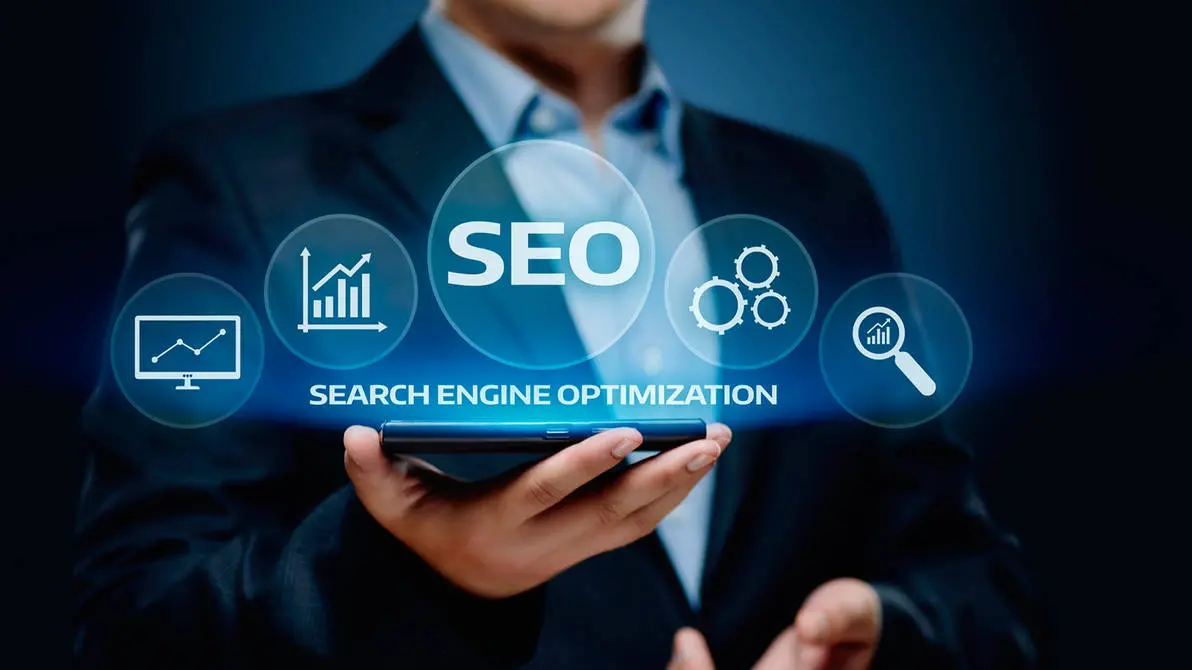
SEO (Search Engine Optimization) is the process of improving your website to appear higher in unpaid (organic) search results. The goal is to increase visibility when people search for products, services, or topics related to your business. SEO has four key components:
- On-Page SEO: optimizing elements on your website like titles, meta descriptions, content, images, and internal links.
- Off-Page SEO: building backlinks from other websites to boost your site’s authority.
- Technical SEO: ensuring your website loads fast, is mobile-friendly, and has a logical structure so search engines can crawl and index it easily.
- Content: creating high-quality, keyword-optimized content that provides value to your audience.
Benefits of SEO:
- Brings consistent, long-term traffic
- Builds credibility and trust
- Delivers high ROI over time

What is SEM?
SEM (Search Engine Marketing) is a paid strategy to increase your website’s visibility in search engine results pages (SERPs). Unlike SEO, which takes time to build results, SEM lets you display ads for specific keywords and drive instant traffic. The most common SEM platform is Google Ads.
SEM involves:
- Researching high-intent keywords
- Setting up ad campaigns and budgets
- Writing compelling ad copy to attract clicks
- Monitoring and optimizing campaigns for better performance
Benefits of SEM:
- Generates immediate results
- Provides precise targeting based on location, interests, and demographics
- Offers measurable performance through clicks, impressions, and conversions

What is SMM?
SMM (Social Media Marketing) focuses on promoting your brand, products, or services through social media platforms like Facebook, Instagram, LinkedIn, Twitter, and TikTok. SMM can include organic activities, like posting engaging content and interacting with followers, as well as paid social advertising.
Key aspects of SMM:
- Content creation: visuals, videos, reels, stories, polls, and more
- Community management: responding to messages and comments
- Social ads: paid campaigns to reach larger or highly targeted audiences
- Analytics: tracking engagement, reach, shares, and conversions
Benefits of SMM:
- Builds brand awareness and loyalty
- Drives website traffic from social channels
- Allows direct engagement with your audience
Why You Need All 3
Using just one of these strategies limits your reach. For a complete digital marketing strategy, you need all three:
- SEO helps you rank organically, building long-term traffic and credibility.
- SEM gets you instant visibility when you need quick results, such as launching a product or running time-sensitive offers.
- SMM builds community, engages your audience, and creates conversations about your brand.
When combined, these strategies cover the full marketing funnel:
- Awareness: Reach new audiences through social media and paid ads.
- Consideration: Boost website visits and educate potential customers with optimized content.
- Conversion: Turn visitors into customers through retargeting ads, landing pages, and engaging social content.
Conclusion
Mastering SEO, SEM, and SMM is no longer optional — it’s the foundation of successful online marketing. Each serves a unique purpose: SEO drives sustainable, organic growth; SEM brings immediate, targeted traffic; and SMM engages your audience and builds a loyal community.