What Is Logistics Management? Career Opportunities in Kerala

Logistics management plays a crucial role in today’s fast-moving global economy. From delivering products to managing supply chains, logistics ensures that goods reach the right place at the right time. With the rapid growth of trade and e-commerce, the logistics industry in Kerala is expanding like never before—creating excellent career opportunities for students and professionals.

What Is Logistics Management?

Logistics management is the process of planning, implementing, and controlling the efficient movement and storage of goods, services, and information from origin to consumption.

It includes:

  • Transportation management
  • Warehousing
  • Inventory control
  • Supply chain coordination
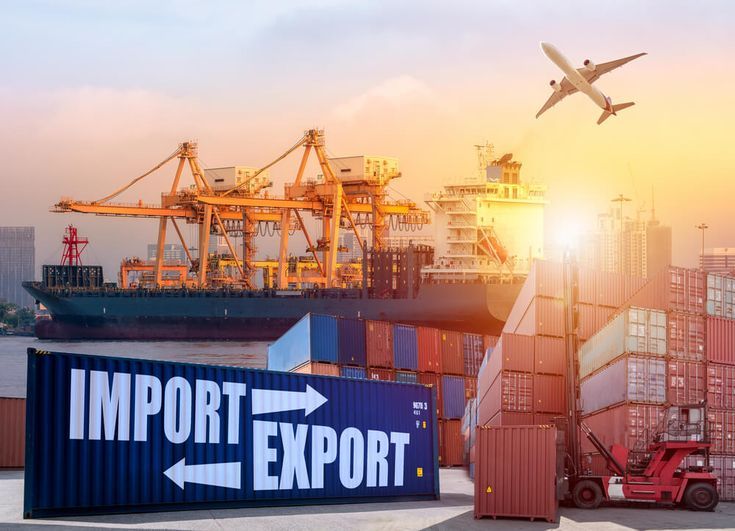
  • Import and export handling

In simple terms, logistics management ensures smooth product flow from manufacturers to customers.

Why Logistics Management Is Important

Logistics is the backbone of industries such as manufacturing, retail, healthcare, and e-commerce.

Key Benefits:

  • Faster delivery of goods
  • Reduced operational costs
  • Improved customer satisfaction
  • Better inventory management
  • Global trade support

Growth of the Logistics Industry in Kerala

Kerala has become a key logistics hub due to its strategic location and strong infrastructure.

Major Reasons for Growth:

  • Presence of international ports like Cochin Port
  • Increasing e-commerce demand
  • Growing import/export businesses
  • Expansion of warehouses and distribution centres

Cities like Kochi are leading the logistics boom, offering numerous job opportunities for skilled professionals.

Career Opportunities in Logistics

A career in logistics offers diverse roles across multiple industries.

Popular Job Roles:

  • Logistics Coordinator
  • Supply Chain Manager
  • Warehouse Manager
  • Freight Forwarding Executive
  • Import/Export Manager
  • Inventory Analyst

Skills Required for Logistics Careers

To succeed in logistics, you need:

  • Communication skills
  • Problem-solving ability
  • Analytical thinking
  • Knowledge of supply chain systems
  • Computer and software skills

Why Choose a Logistics Course?

A professional logistics course helps you gain practical knowledge and industry-ready skills.

Benefits of Studying Logistics:

  • Job-oriented training
  • Industry exposure
  • Placement assistance
  • Global career opportunities

Institutes like Raavis provide specialised training to help students build a successful career in logistics.

Get Started Today

The dynamic growth of the logistics industry in Kerala makes it one of the most promising career paths today. Whether you’re planning a career shift or starting fresh, understanding what logistics management is is the first step toward success. Enroll in a quality logistics course, gain practical experience through internships, and build a strong career in this fast-growing industry.

The institute focuses on:

Raavis Institute

Raavis Institute is a leading logistics training institute based in Kochi, dedicated to shaping future logistics professionals. With expert trainers, industry-focused curriculum, and modern learning facilities, Raavis provides students with the skills and confidence needed to succeed in the global logistics sector.

  • Practical, job-oriented training
  • Real-world industry exposure
  • Internship and placement support
  • Skill development for global careers

At Raavis, students don’t just learn — they build a successful career path in logistics.

 

portfolio-05

Top Skills Required for a Career in Logistics & Supply Chain Management

Top Skills Required for a Career in Logistics & Supply Chain Management

In today’s fast-paced, interconnected world, logistics and supply chain management (SCM) play a vital role in ensuring goods move efficiently from manufacturers to consumers. As globalization expands and e-commerce booms, the demand for skilled supply chain professionals is growing rapidly. However, a successful career in this dynamic field requires more than just a degree — it demands a unique combination of technical expertise, soft skills, and industry knowledge. This blog will walk you through the top skills you need to thrive in the world of logistics and supply chain management.

What Is Logistics and Supply Chain Management?

Logistics and supply chain management (SCM) refers to the planning, implementation, and control of the movement and storage of goods, services, and related information from the point of origin to the point of consumption. Logistics focuses on the efficient transportation, warehousing, and distribution of products, while supply chain management encompasses the broader coordination of all processes and stakeholders involved — from raw material sourcing and manufacturing to final delivery and even reverse logistics. Together, logistics and SCM ensure that products reach customers accurately, on time, and at the lowest possible cost.

Best Logistics Course in Kerala - blog image in logistics

Why Skills Matter in Logistics & SCM

The logistics industry involves coordinating complex networks of suppliers, manufacturers, warehouses, transporters, and customers. One small mistake can cause significant delays, financial losses, or customer dissatisfaction. That’s why companies seek professionals who can think strategically, solve problems quickly, and communicate effectively. Let’s dive into the essential skills every logistics and supply chain professional must master.

Analytical Thinking

A key component of SCM is analyzing large amounts of data related to inventory levels, transportation costs, supplier performance, and customer demand. Professionals must identify patterns, forecast trends, and develop strategies to improve efficiency. Strong analytical skills help organizations reduce costs and stay competitive.

Organizational Skills

Coordinating multiple orders, shipments, deadlines, and vendors demands exceptional organizational abilities. Being able to prioritize tasks, schedule effectively, and manage time well keeps operations running smoothly.

Problem-Solving Abilities

Unexpected challenges like shipment delays, customs issues, or equipment breakdowns are common in logistics. Being able to quickly assess a situation, consider alternatives, and implement practical solutions minimizes disruptions and maintains customer satisfaction.

Attention to Detail

Every shipment involves multiple documents, schedules, and processes. A single oversight — like a wrong delivery address or missing paperwork — can derail an entire order. Detail-oriented professionals ensure accuracy and compliance with regulations, saving time and money.

Adaptability

The logistics industry is constantly affected by external factors like natural disasters, political changes, or global pandemics. Professionals who can adapt quickly to new circumstances help their organizations remain resilient and competitive.

Communication Skills

Supply chain professionals interact daily with suppliers, transport companies, warehouse staff, and customers. Clear, concise communication helps avoid misunderstandings, reduces errors, and ensures all stakeholders are aligned. Effective written and verbal communication is especially important when dealing with international partners.

Negotiation Skills

Negotiating with carriers, suppliers, and service providers can lead to significant cost savings. Successful supply chain professionals know how to build win-win agreements while maintaining strong relationships with partners.

Knowledge of Regulations & Compliance

Understanding international trade regulations, Incoterms, customs requirements, and industry standards is essential. Compliance with these rules avoids costly delays, penalties, and legal problems, especially in cross-border shipments.

Leadership & Teamwork

Whether you’re leading a warehouse team or collaborating with cross-functional departments, leadership and teamwork are crucial. Motivating others, delegating tasks, and building trust foster a productive work environment.

Technical & IT Skills

Modern supply chains rely on digital tools like Warehouse Management Systems (WMS), Enterprise Resource Planning (ERP) software, Transportation Management Systems (TMS), RFID technology, and Artificial Intelligence (AI). Professionals must be comfortable using these tools to monitor shipments, track inventory, and optimize routes.

Conclusion

A career in logistics and supply chain management is challenging, rewarding, and filled with opportunities for growth. However, success in this field requires more than academic knowledge — it demands a well-rounded skill set that combines analytical thinking, technical expertise, and strong interpersonal abilities. By developing these top skills, you’ll be better equipped to navigate the complexities of the modern supply chain, add value to your organization, and advance your career in one of the world’s most critical industries.

SEO, SEM, and SMM: What’s the Difference & Why You Need All 3

SEO, SEM, and SMM: What’s the Difference & Why You Need All 3

In the digital age, having an online presence isn’t optional — it’s essential. But just creating a website or social media page won’t bring you leads or sales. To reach your audience effectively, you need to understand and use three powerful digital marketing strategies: SEO (Search Engine Optimization), SEM (Search Engine Marketing), and SMM (Social Media Marketing

What is SEO?

Using just one of these strategies limits your reach. For a complete digital marketing strategy, you need all three:

SEO (Search Engine Optimization) is the process of improving your website to appear higher in unpaid (organic) search results. The goal is to increase visibility when people search for products, services, or topics related to your business. SEO has four key components:

Best digital marketing institute in ernakulam - digital marketing blog page image

Benefits of SEO:

What is SEM?

SEM (Search Engine Marketing) is a paid strategy to increase your website’s visibility in search engine results pages (SERPs). Unlike SEO, which takes time to build results, SEM lets you display ads for specific keywords and drive instant traffic. The most common SEM platform is Google Ads.

SEM involves:

Benefits of SEM:

Top Digital marketing institute in Kochi - SEO, SEM, and SMM: What’s the Difference & Why You Need All 3 blog page image

What is SMM?

SMM (Social Media Marketing) focuses on promoting your brand, products, or services through social media platforms like Facebook, Instagram, LinkedIn, Twitter, and TikTok. SMM can include organic activities, like posting engaging content and interacting with followers, as well as paid social advertising.

Key aspects of SMM:

Benefits of SMM:

Why You Need All 3

Using just one of these strategies limits your reach. For a complete digital marketing strategy, you need all three:

When combined, these strategies cover the full marketing funnel:

  1. Awareness: Reach new audiences through social media and paid ads.
  2. Consideration: Boost website visits and educate potential customers with optimized content.
  3. Conversion: Turn visitors into customers through retargeting ads, landing pages, and engaging social content.

Conclusion

Mastering SEO, SEM, and SMM is no longer optional — it’s the foundation of successful online marketing. Each serves a unique purpose: SEO drives sustainable, organic growth; SEM brings immediate, targeted traffic; and SMM engages your audience and builds a loyal community.

Odoo-vs-SAP

SAP vs. Manual Work: The Ultimate Face-Off

SAP vs. Manual Work: The Ultimate Face-Off

In a world where technology is advancing at lightning speed, businesses of all sizes face a crucial question: should they continue relying on manual processes or embrace digital solutions like SAP? For years, manual work has been the backbone of daily operations in many companies. However, it often leads to delays, errors, and inefficiencies. On the other hand, SAP — the world’s most popular ERP system — promises automation, accuracy, and speed. But is SAP truly worth replacing traditional methods? Let’s dive into this ultimate face-off between SAP and manual work to find out which is the smarter choice for modern businesses.

What is SAP?

SAP stands for Systems, Applications, and Products in Data Processing. It is a German multinational software company that develops enterprise resource planning (ERP) software, which allows organizations to manage business processes in an integrated system. SAP helps companies streamline operations across departments such as finance, logistics, human resources, sales, and procurement. With real-time data, automation, and powerful analytics, SAP has become the world’s leading ERP solution, used by businesses in over 180 countries.

Comparing SAP and Manual Processes Across Key Business Areas

Speed and Productivity

Manual processes such as entering data by hand, filing physical documents, or reconciling accounts on paper are incredibly time-consuming. Tasks that should take minutes can stretch into hours or even days. In contrast, SAP automates these repetitive activities. For example, processing an invoice manually might involve multiple approvals and physical signatures, but with SAP, the workflow is digital and approvals happen instantly.

Real-Time Reporting and Visibility

With manual processes, creating reports requires gathering data from different files and departments, then combining them in spreadsheets — a process that can take days. Moreover, these reports often contain outdated information by the time they’re completed. SAP, however, provides real-time dashboards and analytics that update instantly as transactions occur. Managers can monitor sales performance, inventory levels, and cash flows at any moment, enabling faster and better decisions.

Scalability and Growth

Manual systems struggle when a business starts to expand. Adding new branches, products, or customers means more paperwork, more staff, and more chances for mistakes. SAP, on the other hand, is designed for scalability. Whether you operate in one city or across multiple countries, SAP adapts easily, standardizing processes and maintaining efficiency no matter how big you grow.

Accuracy and Error Reduction

Manual work is prone to human errors. Typos, misplaced decimal points, or missing paperwork can cause massive problems, from overpaying suppliers to shipping wrong orders. SAP systems minimize errors by validating data automatically and ensuring consistency across every department. When you update information in one module, it reflects across finance, logistics, sales, and inventory.

Collaboration Across Departments

Manual processes usually create information silos, where departments like sales, finance, and logistics don’t share data effectively. This leads to miscommunication, duplicated efforts, and delays. SAP creates a unified system where all departments access the same up-to-date information. For instance, when the sales team creates an order in SAP, inventory levels update automatically for the warehouse team, and the finance department sees pending invoices instantly.

Costs: Short-Term vs. Long-Term

Many businesses believe manual processes are cheaper because they don’t require upfront investment in software or training. But hidden costs from errors, rework, lost opportunities, and wasted time quickly add up. SAP requires initial investment, but over time, it reduces operating costs by streamlining processes, cutting labor hours, and preventing costly mistakes.

Conclusion

In the ultimate showdown of SAP vs. Manual Work, it’s clear that SAP comes out on top. While manual processes might seem simpler or more affordable in the short term, they hinder efficiency, accuracy, and growth. SAP not only automates repetitive tasks but also provides a centralized system for collaboration, real-time reporting, and scalability — all of which are essential in today’s fast-paced business environment.